
.png)
.png)
.png)
.png)
.jpg)

Knowing that I collect vintage cameras, my friend Steve came across this beautiful example sitting in a vintage shop in Tunbridge Wells.
He called me when he found it and said, “I’ve found a plate camera it’s a bit rough and needs attention Shall I get it?” After checking that it has its lens I said “yes” confident that I could have it repaired if need be. At this point the thought of this camera conjured up ideas of dabbling in the wet plate process which creates stunning one of a kind images on metal or glass plates.
That evening I went around to discover the treasure that he has found, and a treasure it really is.
The is camera is circa 1920’s and uses glass plates sensitised with the same emulsion that features on film today. It is a bit of a Frankenstein camera with the body and shutter being made by separate companies in Germany and the lenses manufactured under licence from the camera importer.
This camera happens to have been commissioned by the prestigious Wallace Heaton LTD who had the royal warrant from the Royal family!
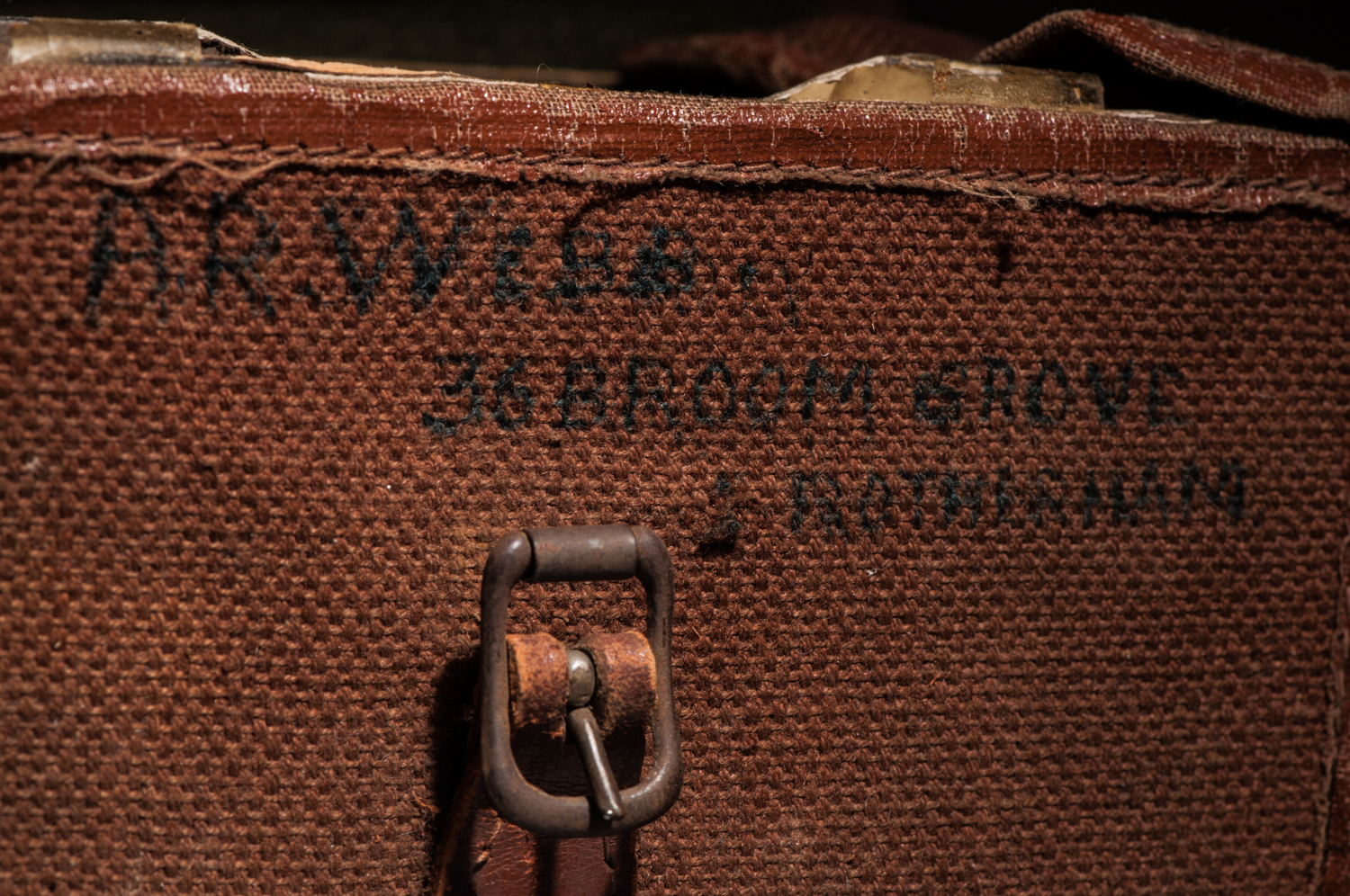
As I said this camera is a real treasure and I love cameras that have a story so I’ll start the images off with its canvas case which graces the name and address of the photographer who loved it; A.R Webb 36 Broom grove Rotherham
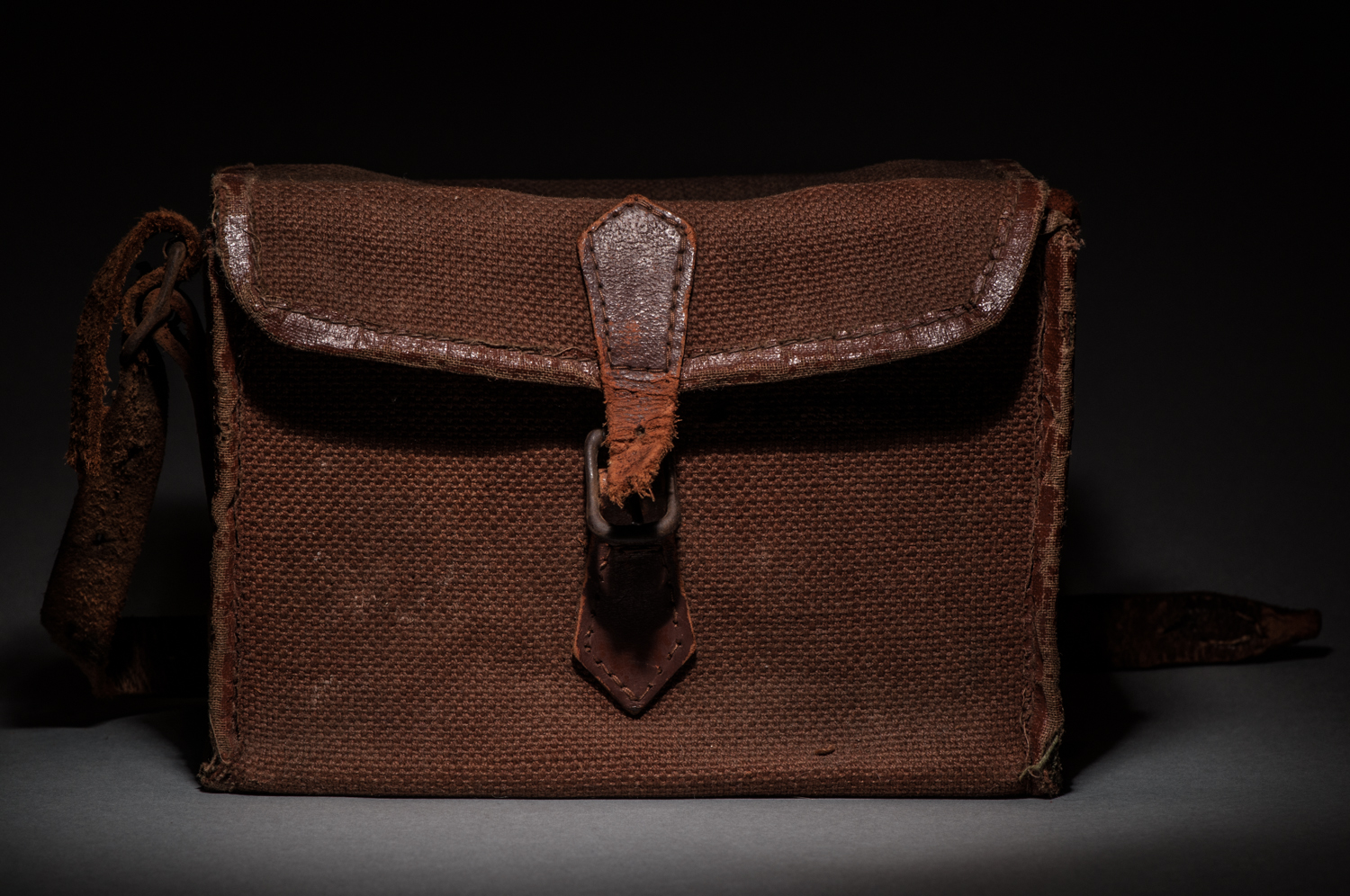
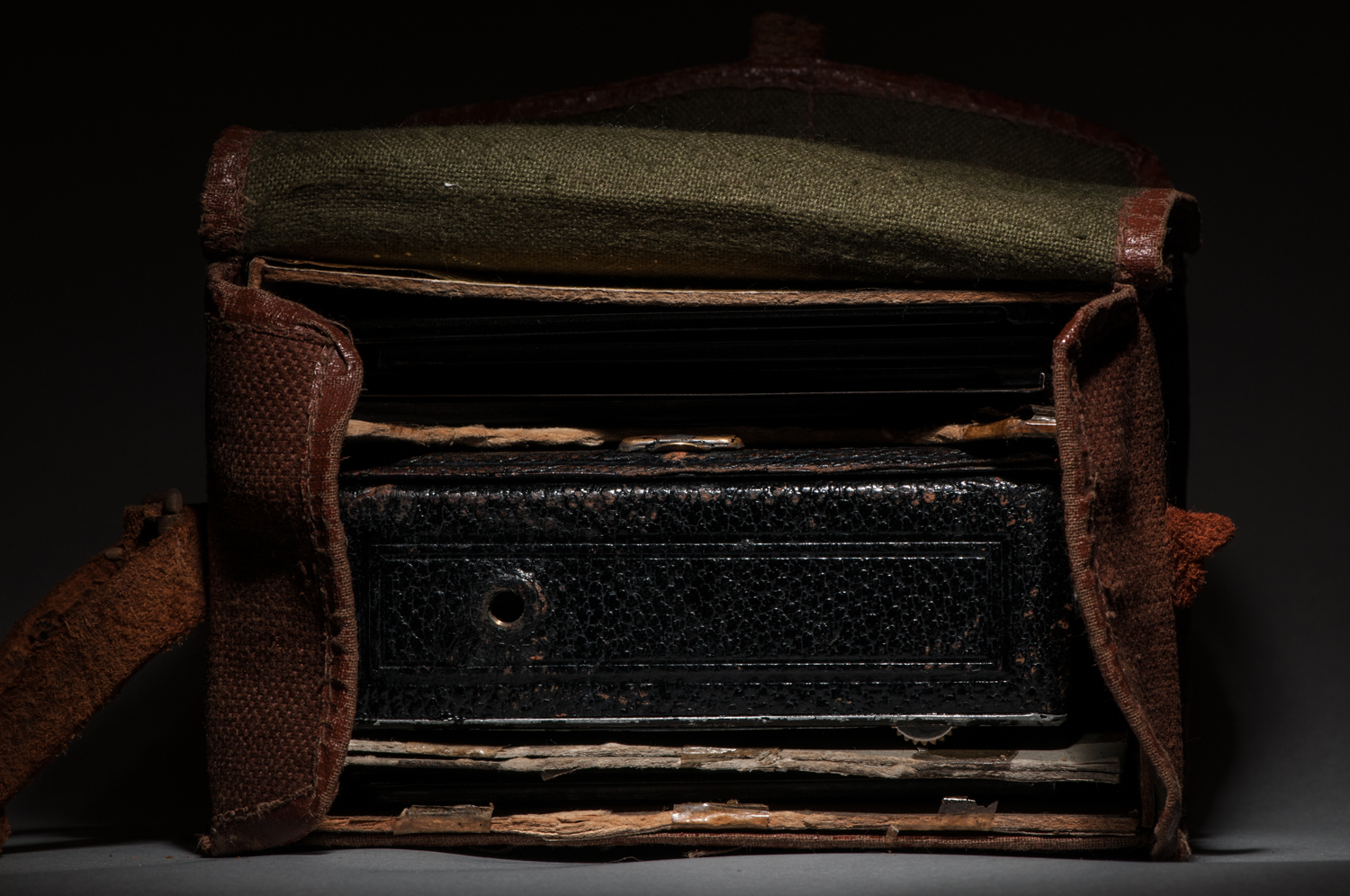 The re manufactured canvas bag interior has separate areas for used and fresh plates and these areas happen to be made from an old photograph of a horse and owner which is quite apt seeing that I photograph horses!
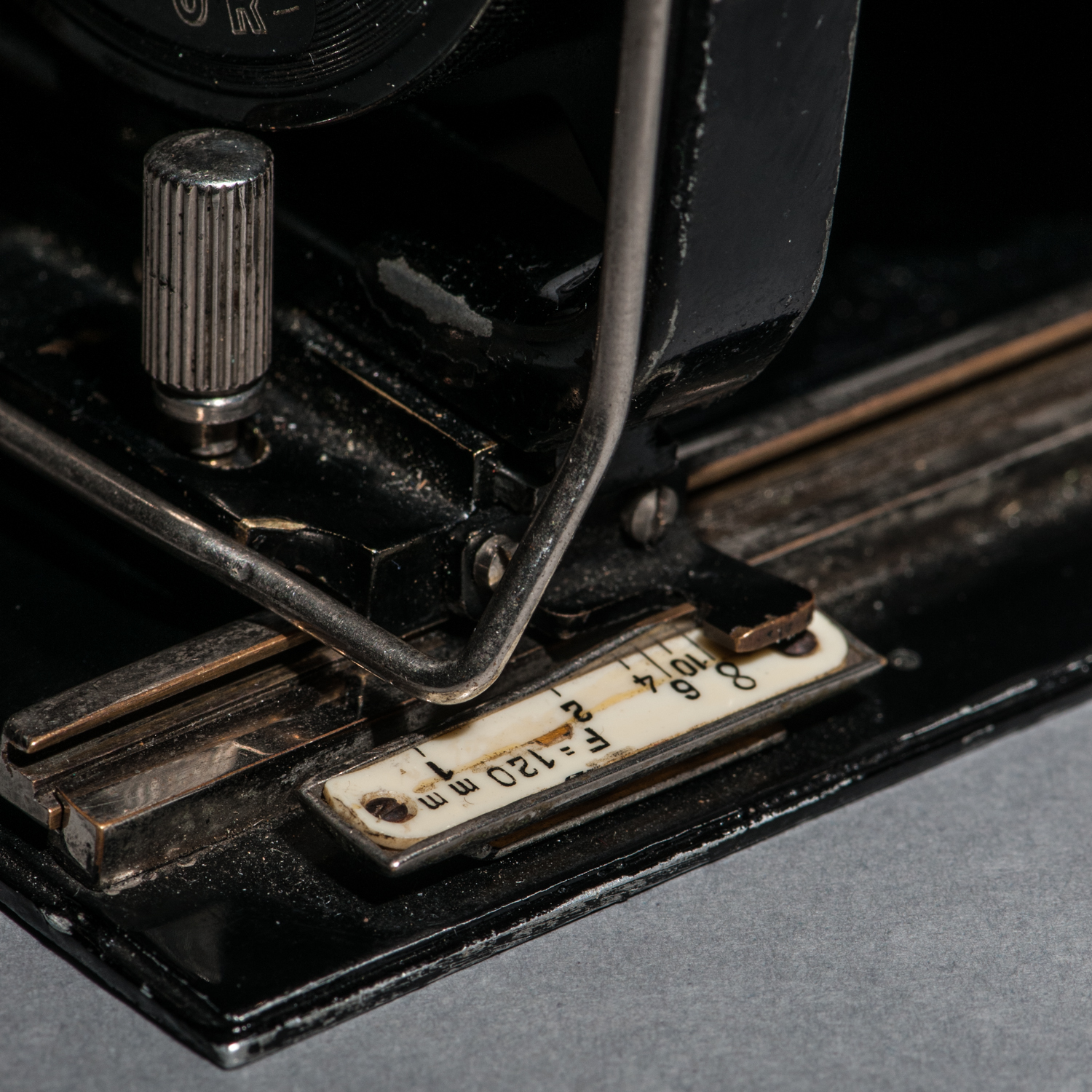
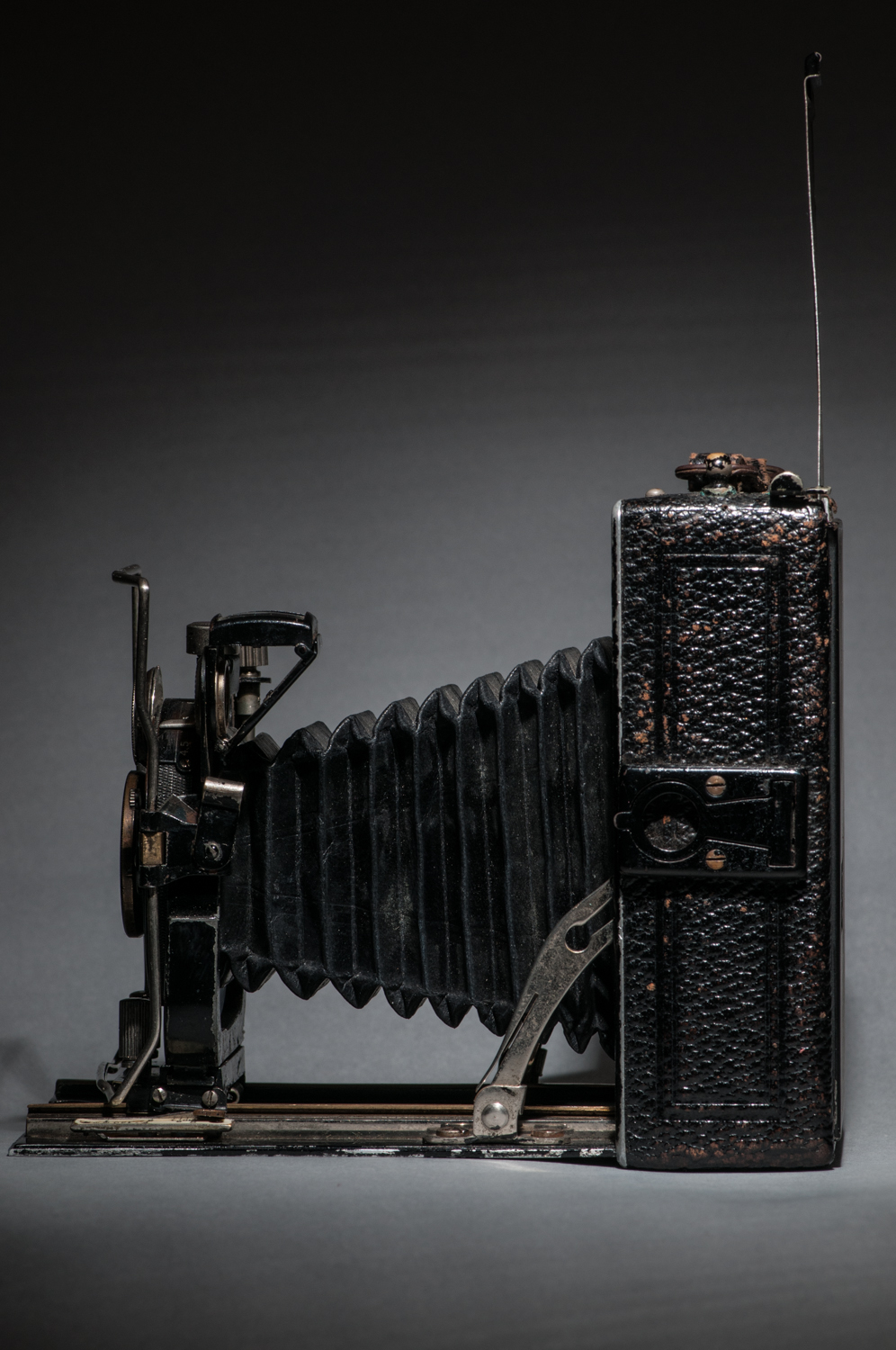
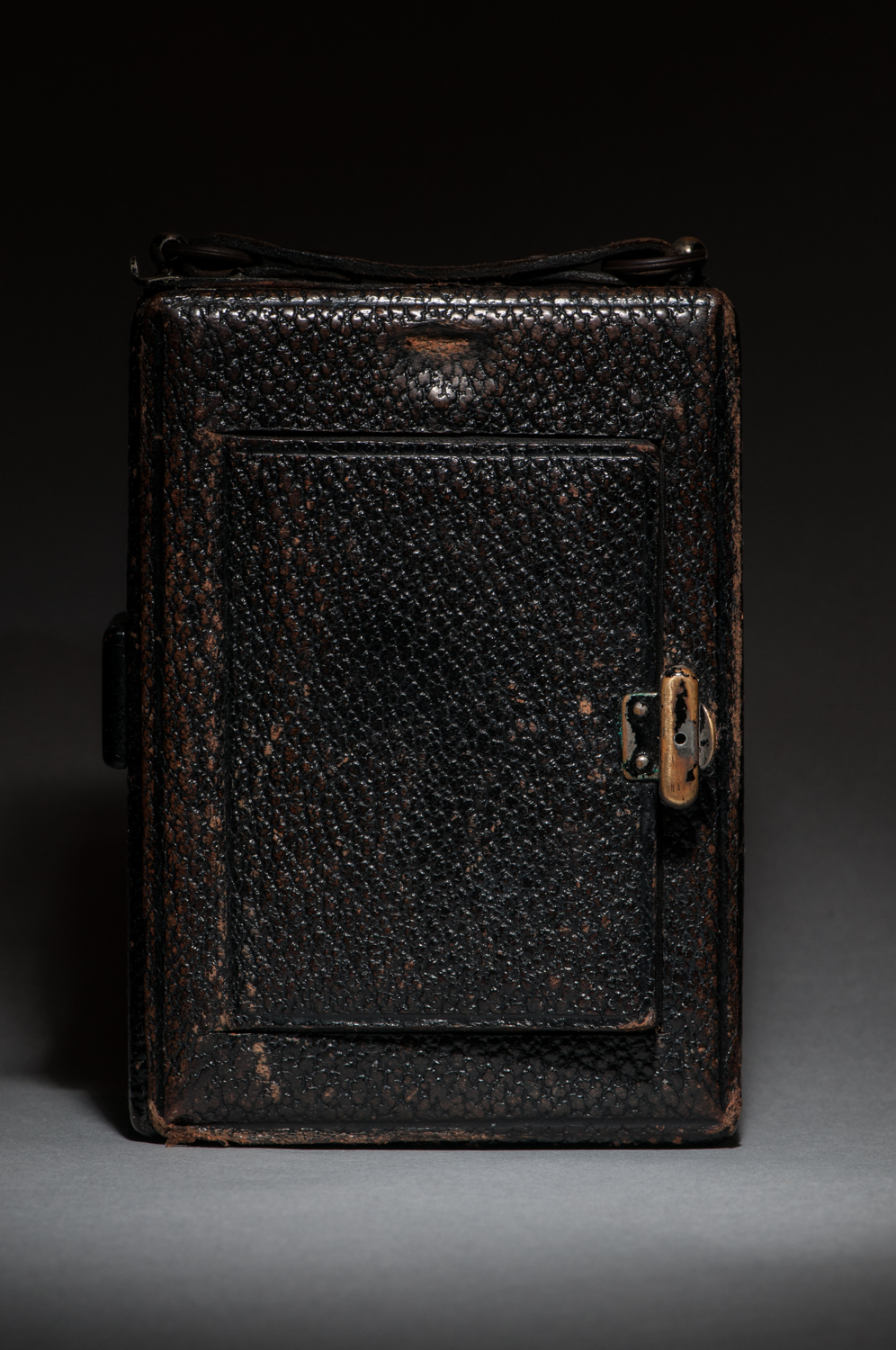
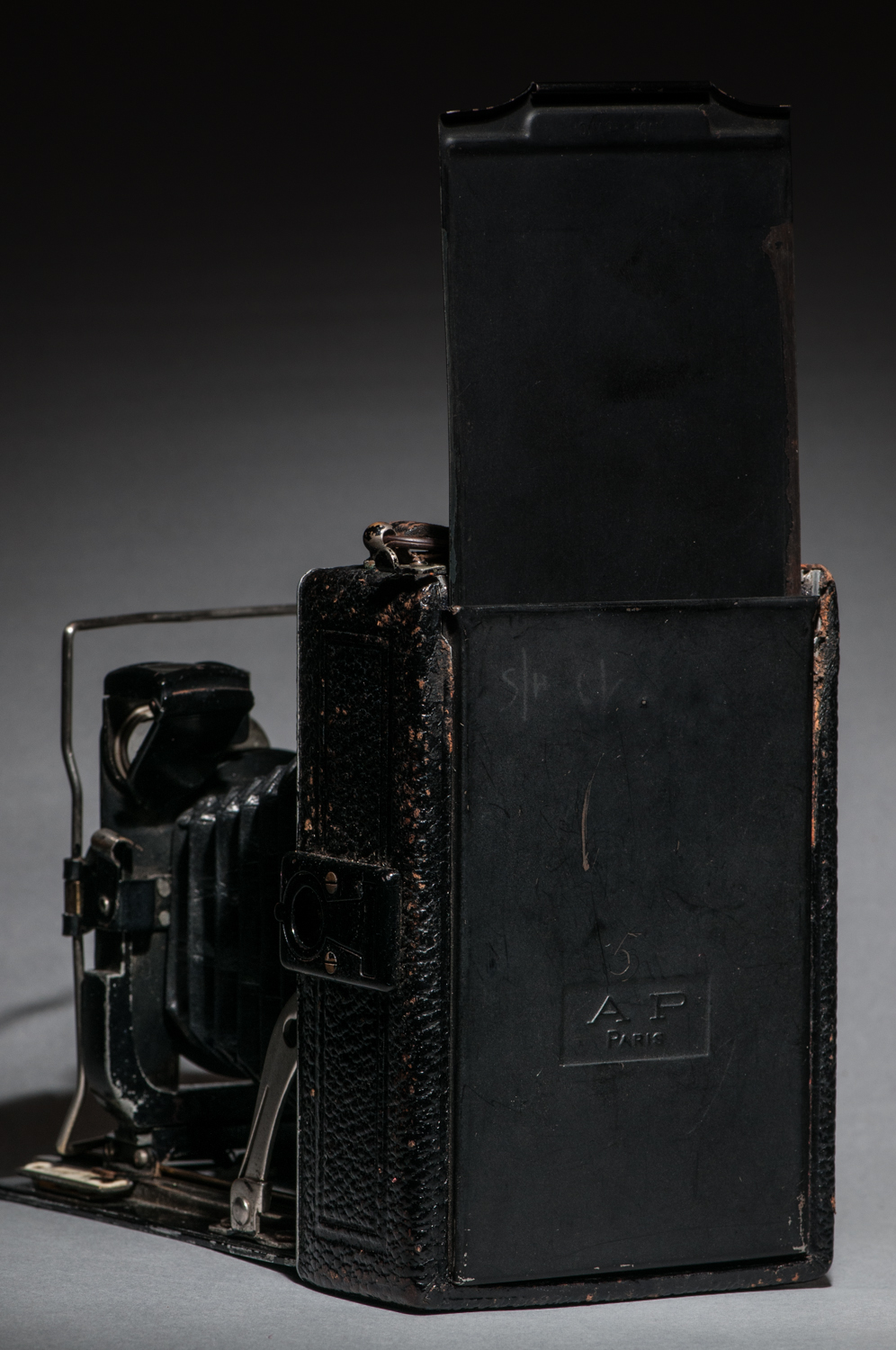
 The camera itself it a beautiful, well proportioned shape wrapped in leather, It’s weighty and an intriguing box to openThe camera is a work of art in itself, the beauty and precision of this reminds me of a beautiful clock movement. The camera extends onto a rail for focusing and has full tilt/shift capabilities which means this was quite a technical bit of kit in it’s time! This is the shutter mechanism up close, starting from bottom left we have the shutter release followed above by the ZDM and IBT dial
Z stands for Zeit which means Time in German, you use this to focus using the screen as seen in the image below
D Corresponds with B on the dial, and the B has the same function as Bulb mode on your modern SLR where you determine how long you want the shutter open for
M corresponds with I on the dial, I can only guess that this means ‘Moment’ in German but this is what you use to take the picture.
The Wheel with the arrow at the top is where you determine your shutter speed above this are your aperture controls as well.
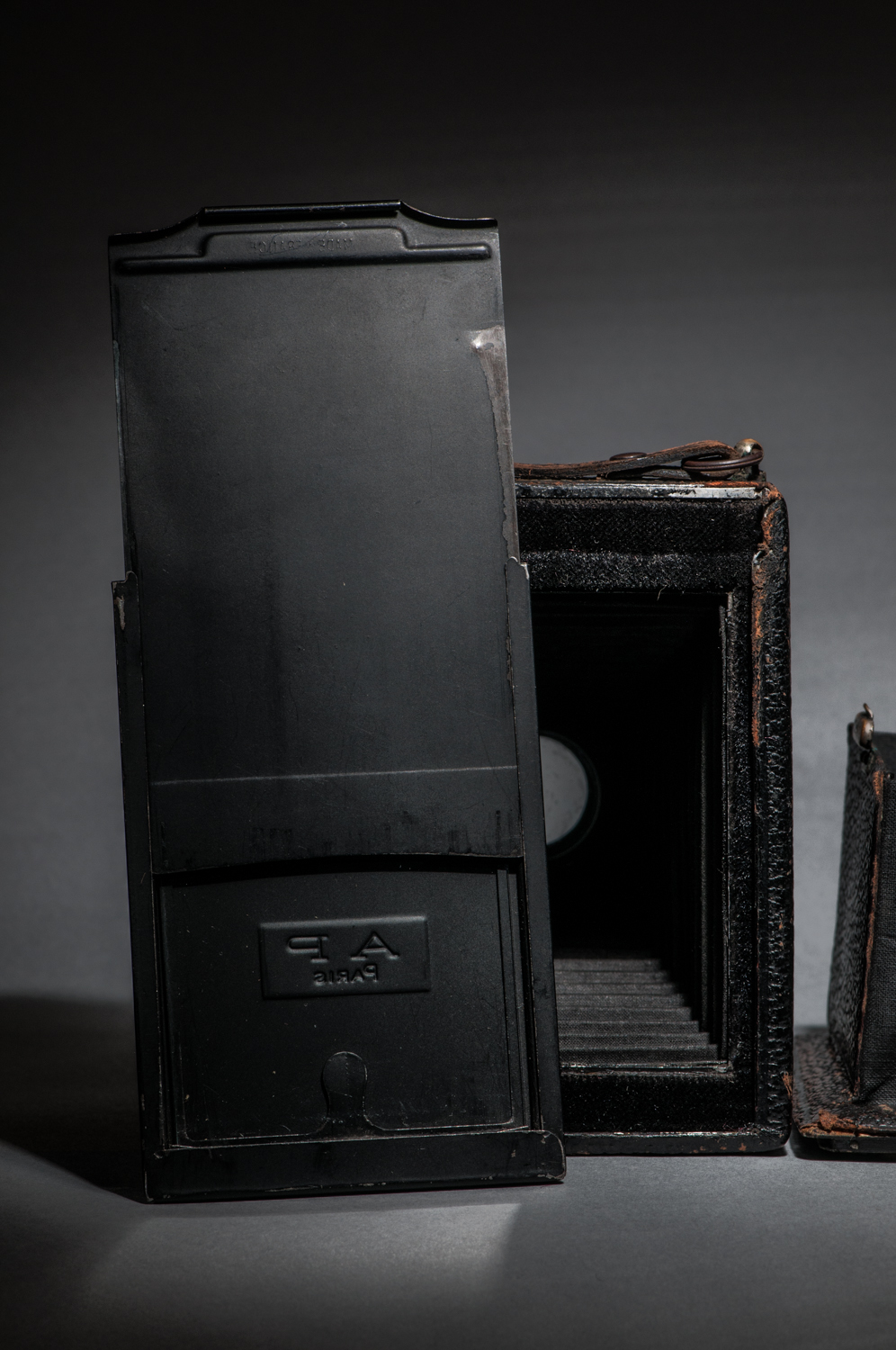
There is a lens to the right for quick composition and below that is the shutter priming lever.The camera also features a flip up composition sight as a another means of framing your image, I like to see it as the LCD screen of yesteryear!With the Glass screen in place you compose your photograph then replace this with one of the Glass plate carriers below, remove the dark slide and then take your picture then reverse to safe guard your negative When we explored what we had we found that there was a glass plate left in inside one of the carriers! I was so hopeful that it hadn’t been exposed so I developed it to find out but alas it was pure black so I stripped it back and will use it another day!I love the Patina of this camera and am really looking forward to the unique glass plates that I will create this summer but until then I’ll have to stick with crudely inserting 120mm film and making scratched and strange portraits. The main thing is that they have their charm and that’s what makes all of these cameras so awesome!
Tech Specs
Name: Wallace Heaton Zodallar Anastigmat
Age: Around 86 years old 1920s
Type: Dry plate tilt and shift bellows camera
Lens: 120mm f4.5 fixed
Medium: 120 mm B&W dry gelatine plate
Shutter: Compur leaf shutter, eight speeds: 1/1- 1/2- 1/5- 1/10 – 1/25 -1/50 – 1/100 1/250
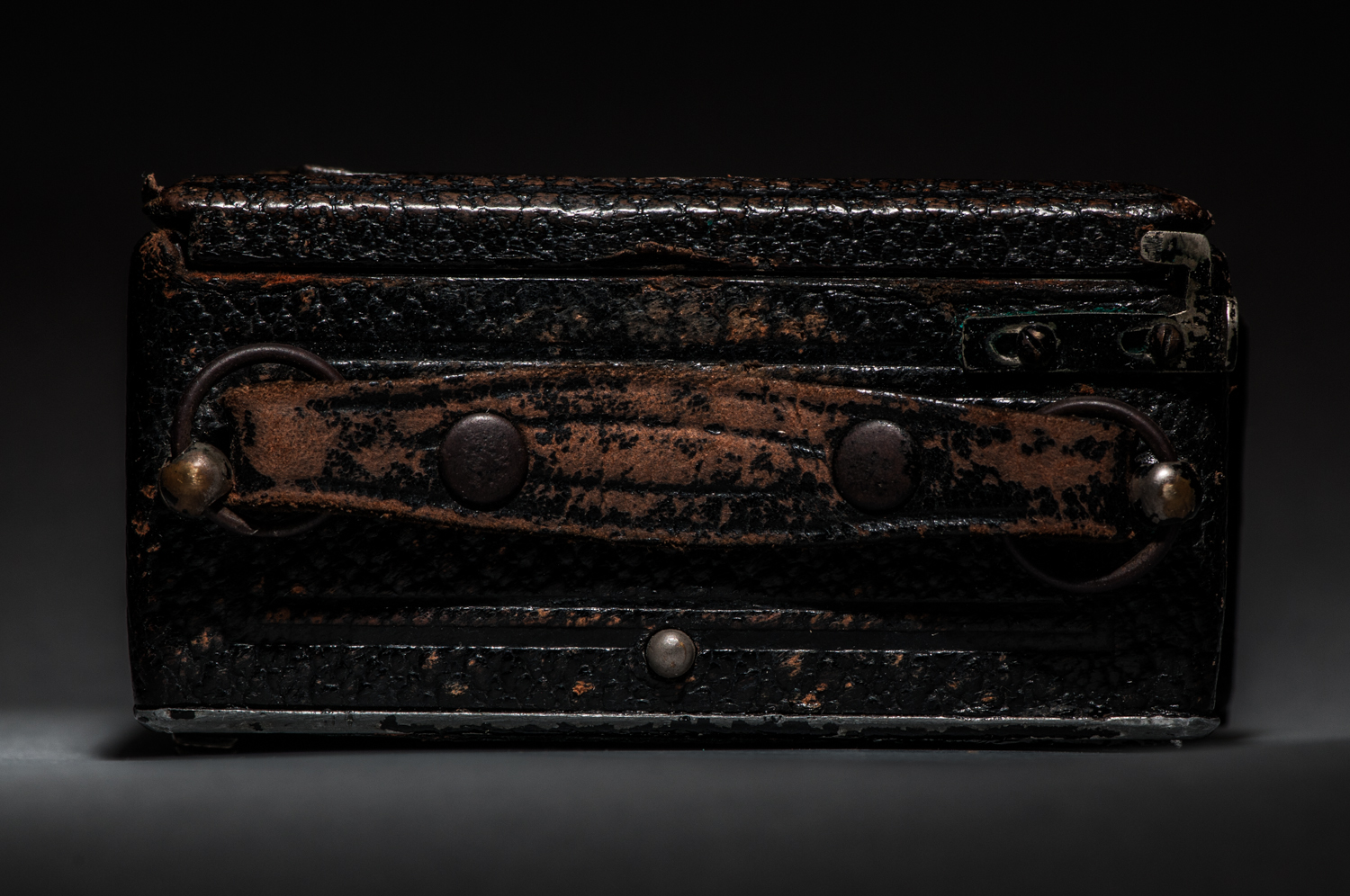
I’ll leave you with two images of my friends taken using the camera looking all vintage and that!A few more image details of the camera: